A board game can be made up of many different components: cards, tokens, dice, etc. But none is more crucial to the player experience than the board itself; it’s how players navigate and interact with the game, and it holds the game’s core mechanics. In this article, we’ll talk about the most common types of board games board designs.
Two Ways to Understand Board Game Board Design
No board fits into one single category, so how is a board defined? We’ll use 2 main concepts for each category: Firstly, physical structure; how it’s laid on the table, how it transforms the player experience, and secondly the relationship between its shape and possible mechanics.
And game mechanics are what make a board unique; the mix of interactions and dynamics with the board and between players is the real anatomy of a board. If the physical structure is the bones, they are the brain. We can use both concepts to define most boards, but even if this is a guide, it’s not the rule; a board can have any shape and form, and way too many mechanics to count. Here, we aim to cover most boards and the more frequent and popular types in each category.
The different Board Game Board Structures
1. Grid Boards: Square and Hexagonal Board Layouts
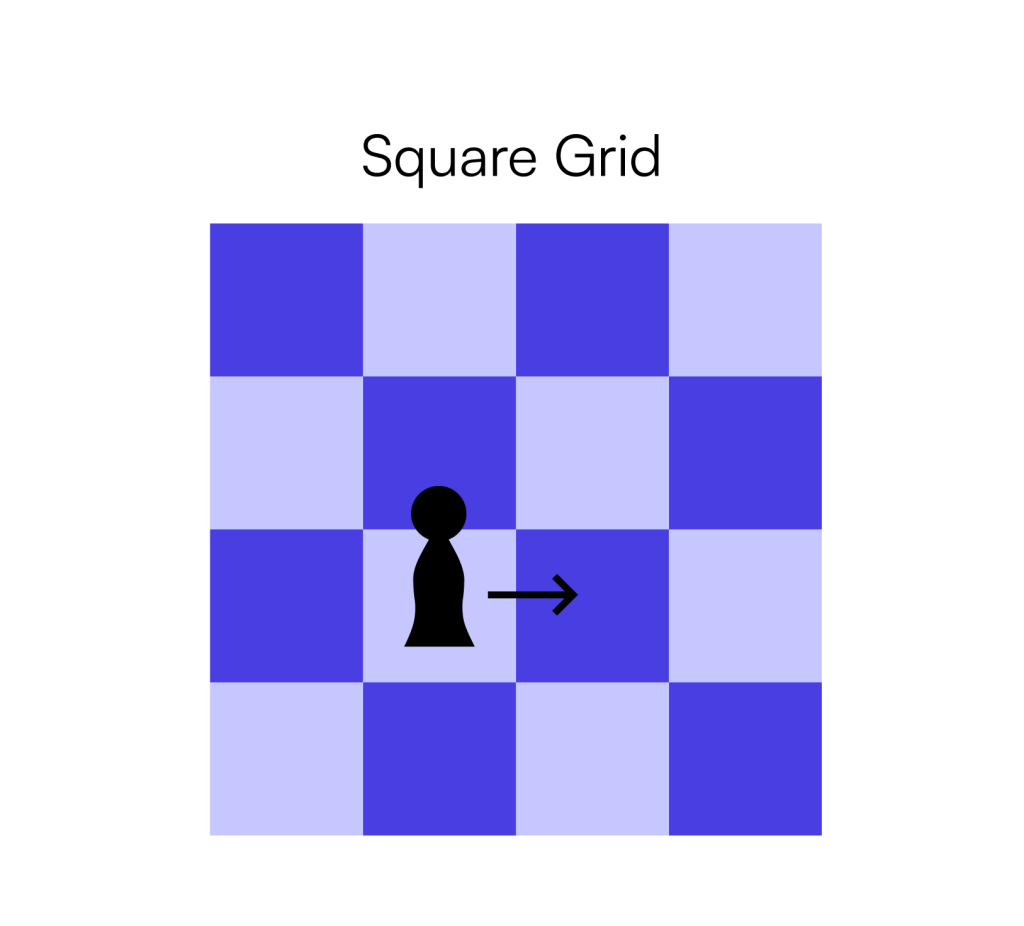
- Square grid: The most basic and simple form a board can take. A uniform grid allows for many mechanics to take place related to movement and placement; players can interact right next to each other.
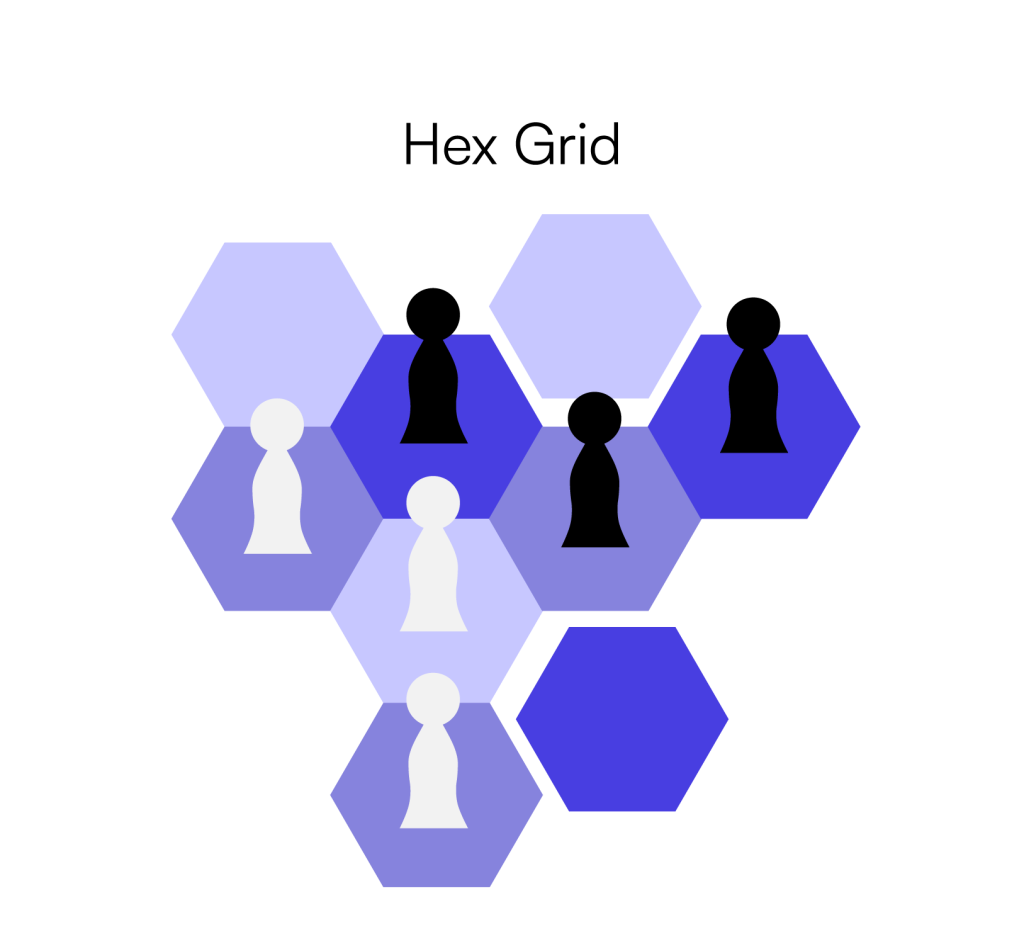
- Hex grid: A grid can take any shape; it can be hexagonal, like Catan (1995), this type of grid provides adjacency and diagonal movement, with the board acting like a territory or a connecting web.
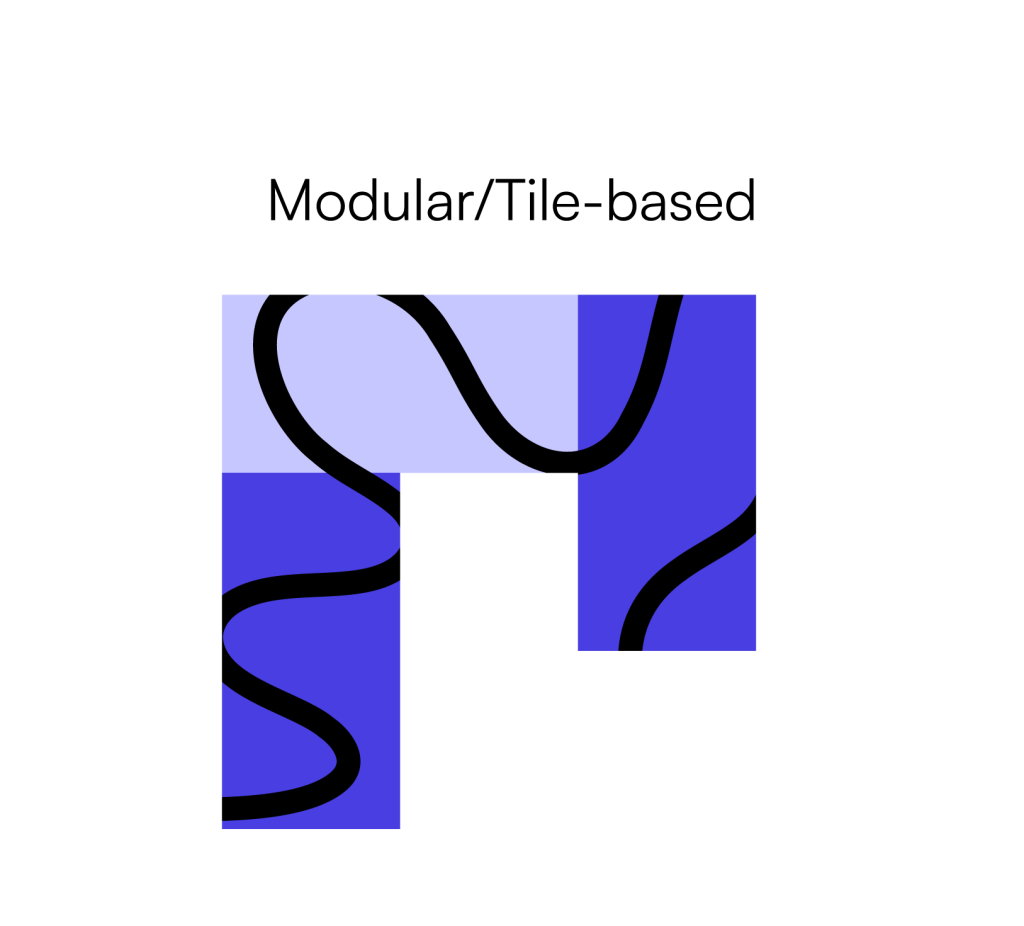
- Modular/tile-based: Many games make use of the square or hex system, using tiles to make a modular board. This could be a type all on its own, but we chose to join it because it can be applied to other physical structures as well; it’s most often seen with grids.
Related Mechanics
Grid boards organize spaces into a regular pattern of square or hexagonal cells. They are particularly suited to mechanics that rely on positioning, adjacency, and spatial relationships.
- Movement points and positioning: Players spend points to move pieces between adjacent cells. The grid defines movement options, distances, and possible positions.
- Area control and occupation: Players occupy or dominate particular cells, using their positions to control adjacent spaces or restrict opponents.
- Tile placement and Pattern building: Players place tiles or pieces within the grid, often trying to create patterns, complete shapes, or optimize available space.
Examples
2. Route and Loop Boards: Paths, Tracks and Circuits Layouts
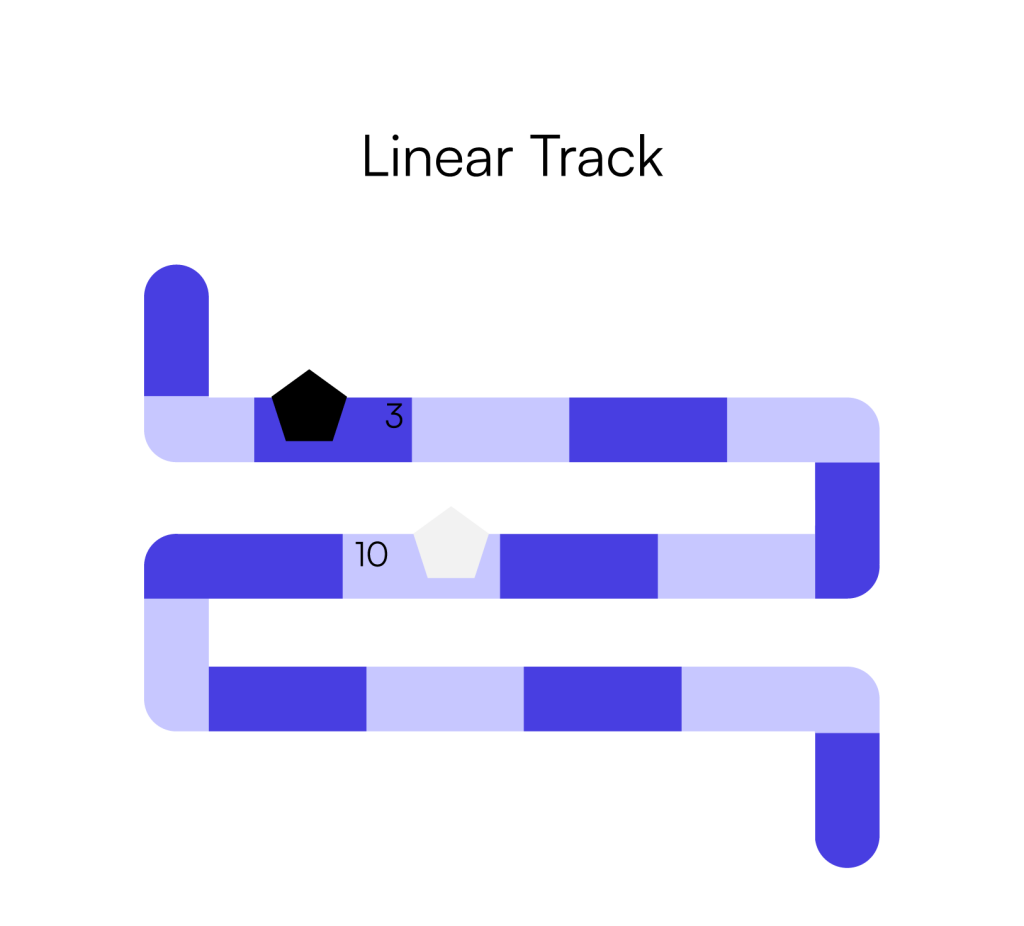
- Linear Track: The board has a defined shape that provides movement opportunities and action spaces like Monopoly (1935). There are few kinds of tracks, paths, and linear spaces that usually take precedence. Tiles can be flipped or changed, making a track look different each turn. You could also build your own paths as the game progresses.
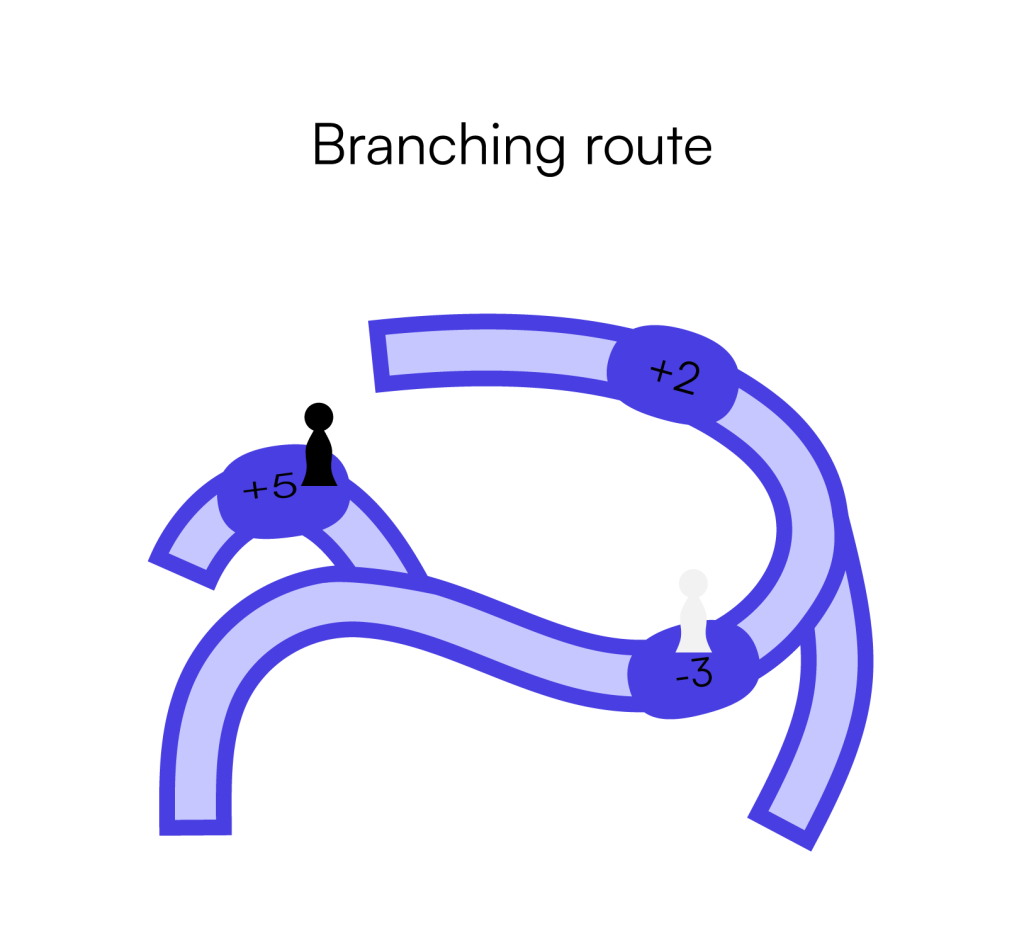
- Branching route: But there are also branching routes that provide players with choice. These choices can offer different distances, rewards, risks or strategic opportunities.
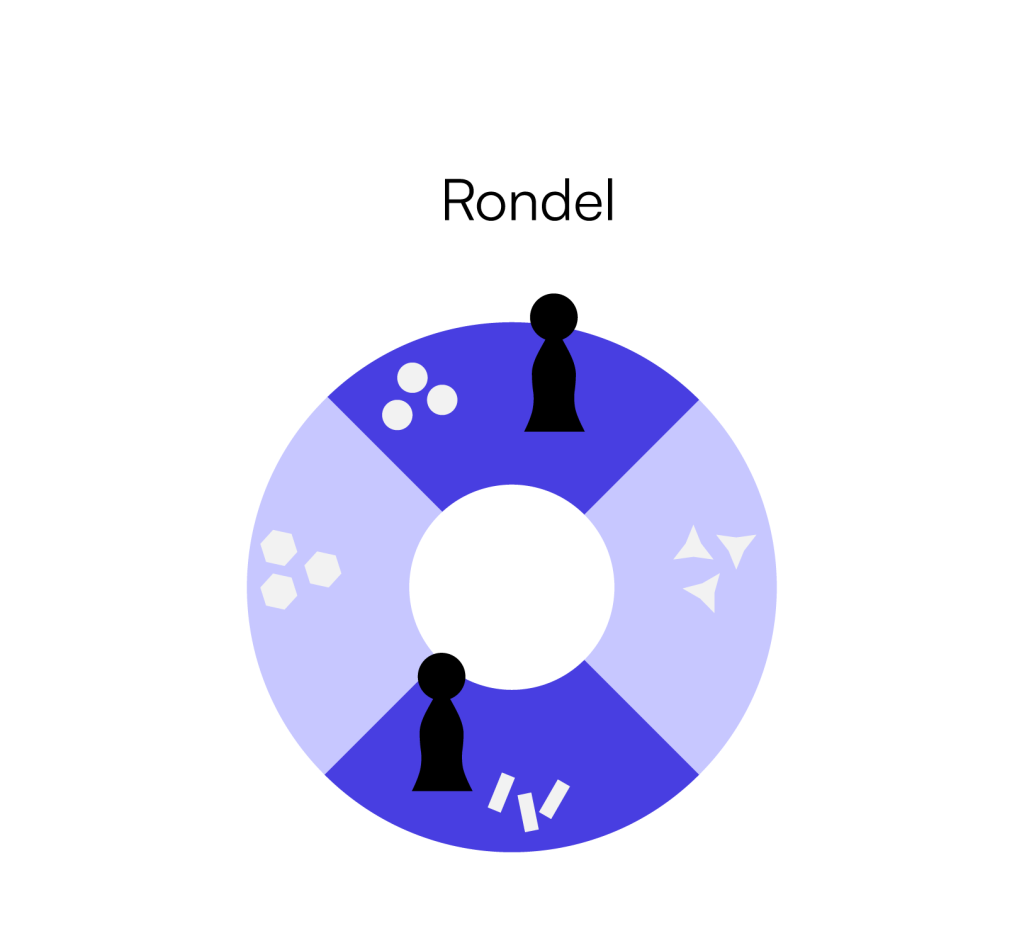
- Rondel: A Rondel is a loop with wedge-like spaces that represent different actions players can perform. In a modular system they can rotate or swap wedges, constantly changing the state of play and available actions. Tiles can be flipped or changed, making a track look different each turn. You could also build your own paths as the game progresses.
Related Mechanics
Route and loop boards arrange spaces along a defined path, which can be linear, branching, or circular. Their structure naturally emphasizes movement, progression, and the order in which players reach spaces.
- Racing and movement: Players advance along a track, competing to reach the finish or move ahead of opponents. The route establishes the direction and progression of movement.
- Action selection (Rondel): Players move around a circular track, with their position determining which actions are available. The loop creates a spatial sequence of choices.
- Resource collection and progression: Players collect resources, rewards, or abilities as they advance. The route organizes these opportunities into a sequence of spaces or stages.
Examples
3. Map and Location Boards: Territories and Connected Spaces Layouts
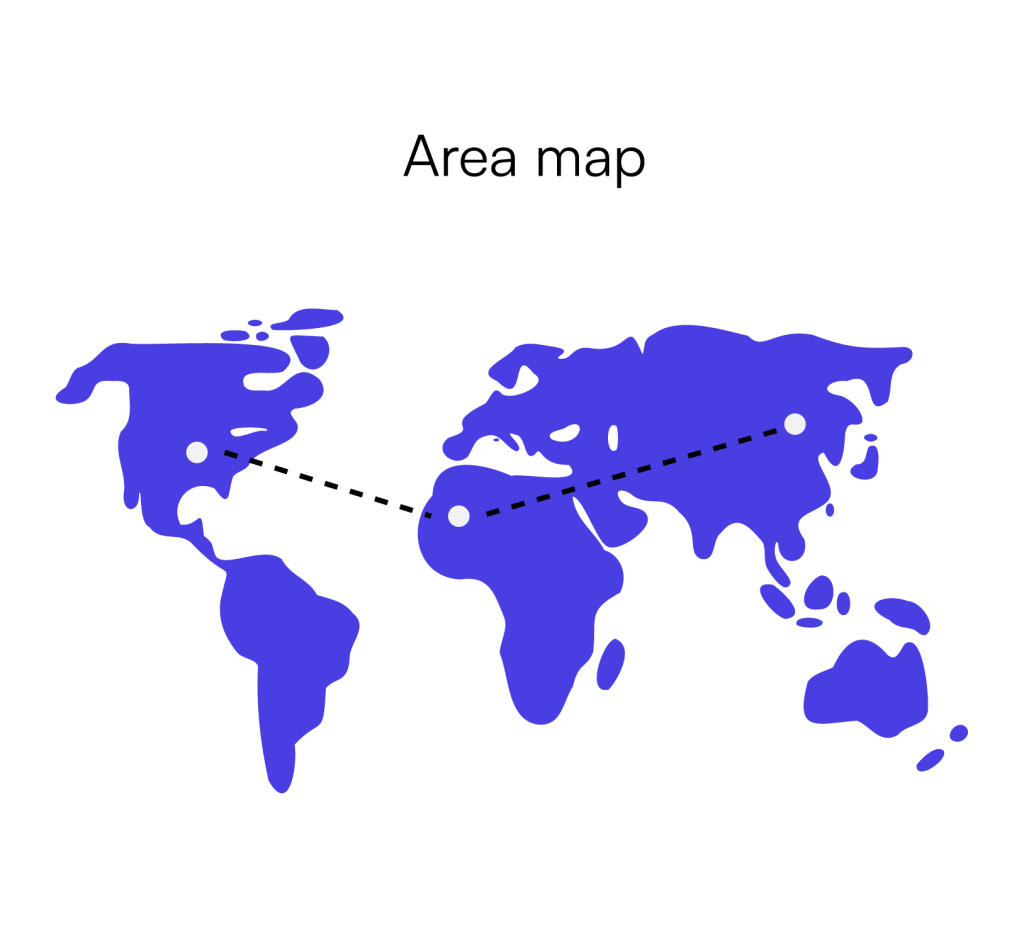
- Area map: Many games use defined regions and territories; A map is very conducive to area control, similar to grids. But how they differ is in their shape: while grids are regular, maps can be very irregular, allowing for asymmetric gameplay and more variety in the player experience depending on where on the map you are. They really can look like anything, and that versatility is what makes maps such a staple in board game design.
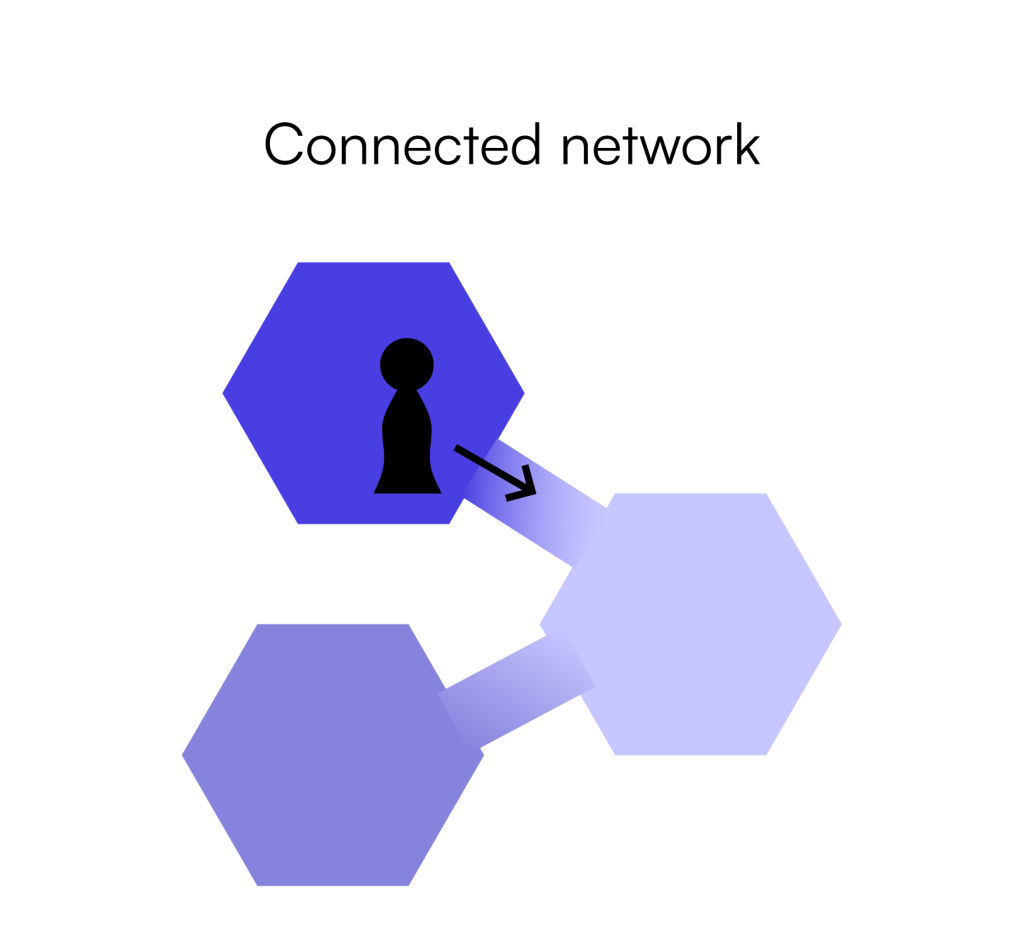
- Connected network: Maps with connections can allow players to move through the game. How these locations are connected can vary; many are point-to-point connections like Pandemic (2008), others use the grid system either hex or square and move through those adjacent.
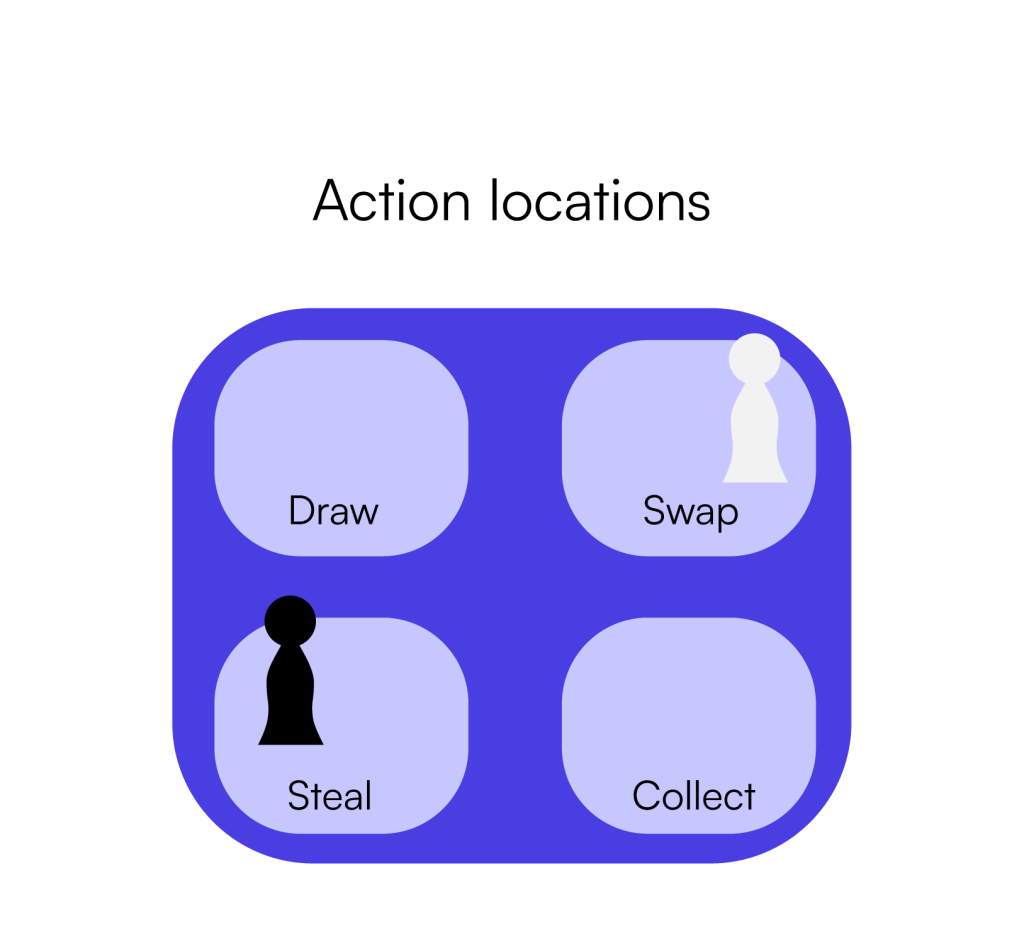
- Action locations: Sometimes maps can be as simple as a series of rooms or locations, mainly defining different sections on the board where different actions can be played. In this type players simply jump between places each turn, moving into a location and placing workers to trigger actions like in Flamecraft (2022).
Related Mechanics
Map and location boards represent geographical or abstract environments divided into territories, regions, or interconnected locations. They are especially useful for mechanics involving relationships between places and control over larger spaces.
- Point-to-point movement and navigation: Players travel between connected locations or regions. The map determines available routes, connections, and distances.
- Area control and majority: Players compete to occupy or dominate territories. The division of the map into regions creates the areas over which control is contested.
- Exploration and discovery: Players reveal, visit, or unlock locations as the game progresses. The map provides the environment in which new areas and opportunities are discovered.
- Worker Placement and Action Selection: Players place workers, dice, or markers on specific spaces or locations to activate actions, collect resources, or gain benefits. The board organizes these action spaces and may limit their availability, creating competition over where players can place their pieces.
Examples
4. Individual Player Boards: Personal Grids and Player Areas Layouts
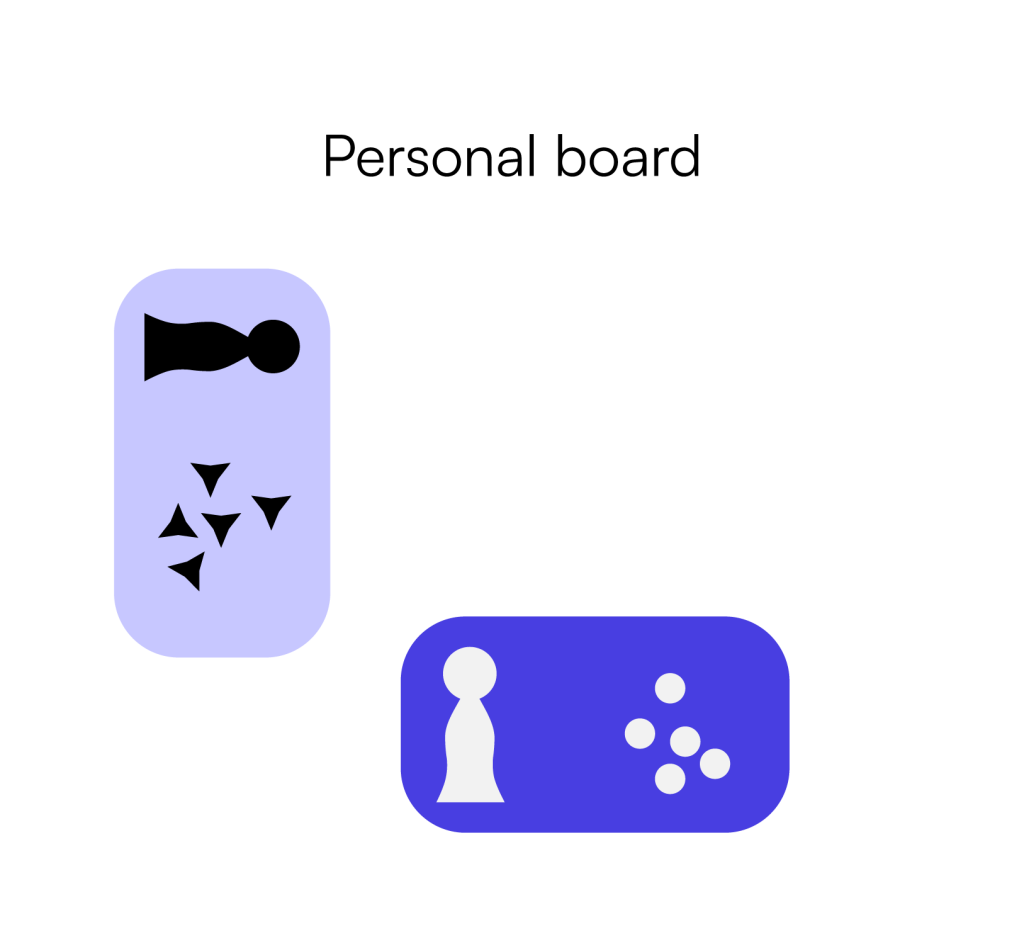
- Personal board: Many games make use of the classic big board in the center of the table, but more recently games make use of an individual board for each player. This creates a personal space where mechanics can vary greatly.
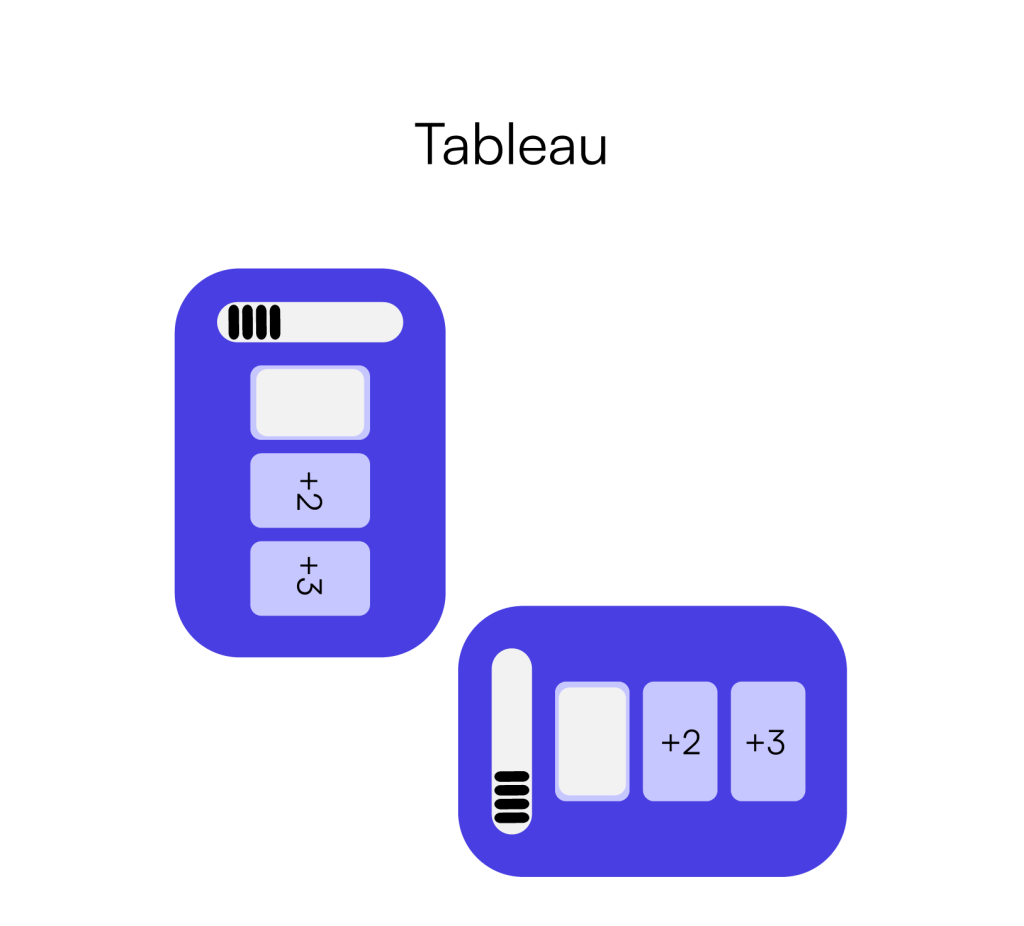
- Tableau: In a Tableau players have a personal board with components with the potential to evolve throughout the game for increased variety of actions. Usually when competing for points in an engine builder like Wingspan (2019).
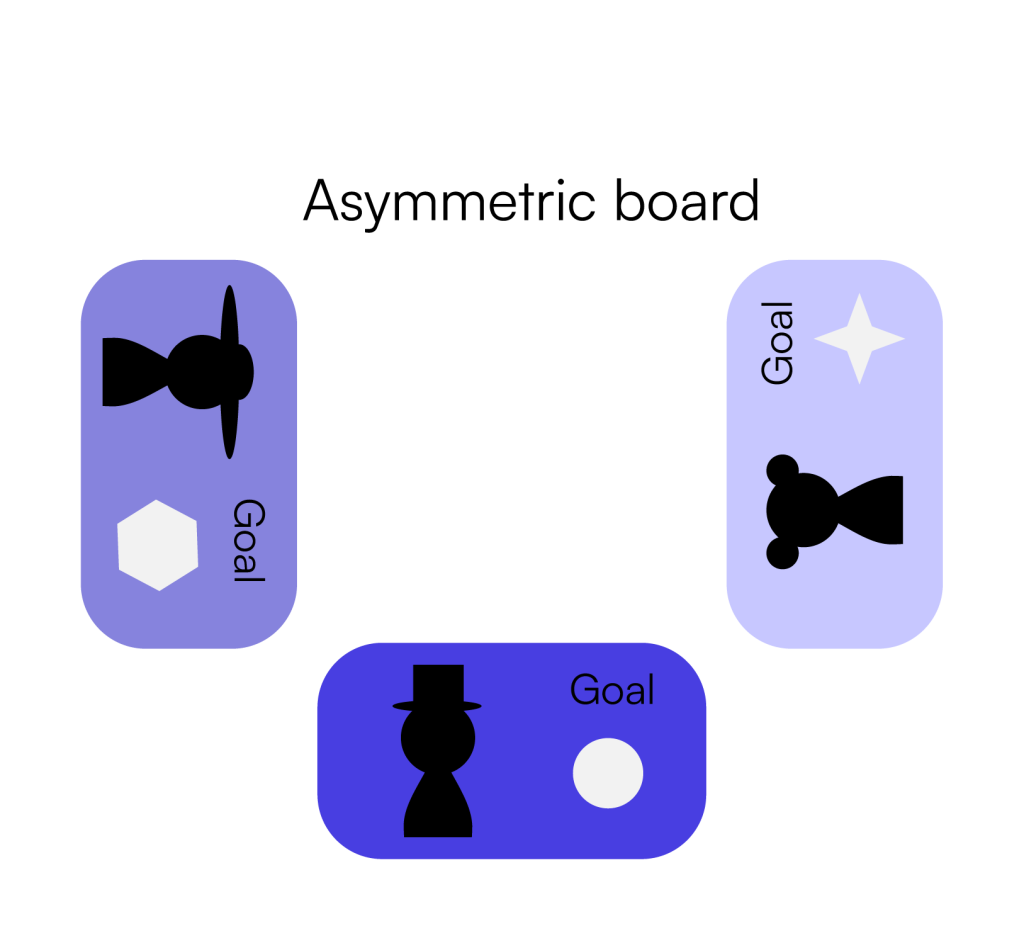
- Asymmetric board: With individual boards you can have asymmetric rules with different win conditions for each player like in Disney Villainous (2018). What makes this type unique is the flexibility for the designers; you can have both personal boards and a central board for different mechanics taking place, like, the possibilities are really endless.
Related Mechanics
Individual boards are personal playing areas assigned to each player. They provide a dedicated space to build, organize, and develop components independently, often allowing players to create different layouts or strategies.
- Asymmetric objectives and variable player powers: Each player has unique abilities, goals, and victory conditions. Individual boards help represent these differences and track each player’s specific progression.
- Engine building and development: Players add structures, resources, or abilities to their boards, gradually developing their own systems and improving their capabilities.
- Pattern building and set collection: Players arrange components to create specific patterns or combinations. The board’s layout provides the spatial conditions for completing objectives and collecting sets.
Examples
How board structures and mechanics work together
Although these four categories describe different physical structures, they are not rigid or mutually exclusive systems. A board’s physical layout does not dictate a single way of playing; rather, it provides a framework that can support several mechanics.
For example, movement can take place on a grid, along a route, or between locations on a map. Area control can be implemented on a grid or across territories on a map. Tile placement can happen on a shared modular board or on individual player boards.
Likewise, a single game can combine several physical structures and mechanics. A game might feature a central map for movement and exploration alongside individual player boards for development and resource management. One example is The Castles of Burgundy (2011) that has a hexagonal grid in a personal board, a central board with a location map, and worker placement with dice.
Ultimately, physical structures and mechanics are interchangeable and complementary design elements. The structure determines how the playing space is organized, while the mechanics determine how players interact with it. Their combination is what gives each board game its distinctive spatial and gameplay experience. What you ultimately choose to create in your game has endless possibilities.
The right board layout can make all the difference in your game, and with Tabletop Creator, you can experiment with different layouts, arrange spaces and components, and turn your ideas into a playable board game prototype.
| Structure | Board type | What it is | Classic games | Associated mechanics |
|---|---|---|---|---|
| Grid | Square grid | Identical squares in rows and columns | Chess, Checkers, Go | Movement, positioning, capture, area control |
| Hex grid | Six neighbours per space, more natural movement | Catan, Cascadia, classic wargames | Movement points, area control, pattern building | |
| Modular / tile-based | The board is built from tiles, before or during play | Carcassonne, Betrayal at House on the Hill | Tile placement, exploration, pattern building | |
| Route and loop | Linear track | A path of spaces from start to finish | Royal Game of Ur, Snakes and Ladders, Candy Land | Racing, roll and move |
| Branching route | A path that splits and makes players choose | The Game of Life | Movement, risk vs. reward choices | |
| Circular loop | A track that loops around the board | Monopoly, Parcheesi, Jamaica | Movement, resource collection | |
| Rondel | A wheel of actions where your position limits your next move | Imperial, Antiquity, Navegador | Action selection | |
| Score track | A track, usually around the edge, to count points | Carcassonne, Ticket to Ride | Scoring, progression | |
| Map and location | Point-to-point network | Places linked by connections | Ticket to Ride, Pandemic, Scotland Yard | Point-to-point movement, route building, hidden movement |
| Area map | Irregular regions to conquer or control | Risk, Diplomacy, Small World | Area control, majority | |
| Action locations | Spaces that trigger an action when occupied | Agricola, Lords of Waterdeep, Flamecraft | Worker placement, action selection, resource collection | |
| Individual player boards | Personal board | Each player builds their own space | Wingspan, Terraforming Mars, The Castles of Burgundy | Engine building, set collection, pattern building |
| Asymmetric board | Each player has different rules and goals | Disney Villainous, Root | Variable player powers, asymmetric objectives | |
| Card mat | Marks where each card or deck goes | Magic: The Gathering, Pokémon TCG | Tableau building, deck management | |
| Beyond the board | Pits | Holes for sowing seeds | Mancala, Oware | Sowing, capture |
| Boardless | The pieces themselves create the play area | Hive, Dominoes | Tile placement, positioning |